Tabletop RPGs and Computer RPGs: how they relate
When we talk about RPGs, we are referring to stories shaped by choices, memorable characters, and the exploration of unknown worlds filled with treasures guarded by dangerous creatures. This tradition was strengthened through tabletop RPGs and, with the rise of computers, evolved into CRPGs, and here we will elaborate deeper on this transmedia relation.
RPGs and CRPGs
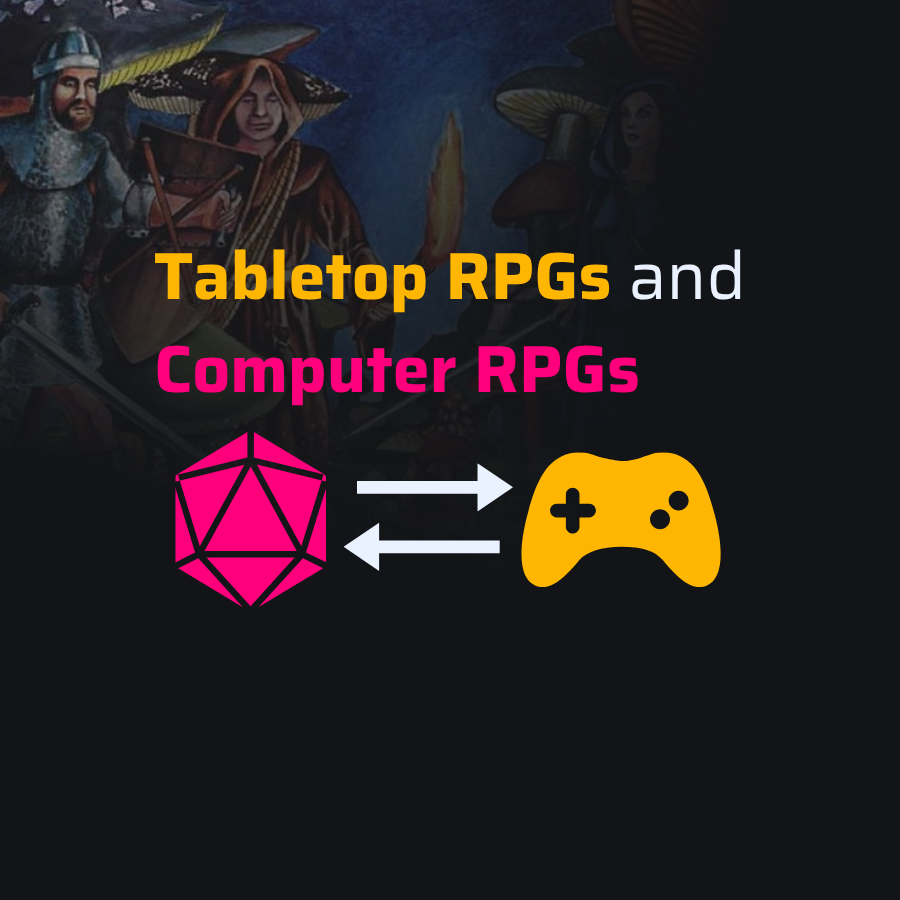
When we talk about RPGs (Role-Playing Games), we are referring to stories shaped by choices, memorable characters, and the exploration of unknown worlds filled with treasures guarded by dangerous creatures. This tradition was strengthened through tabletop RPGs and, with the rise of computers, evolved into CRPGs (Computer Role-Playing Games): digital games that bring rules, progression, and narrative to the screen.
Crit42 presents this entire magical and entertaining universe by transforming the freedom, tension, and strategy of RPGs into digital experiences with their own identity. Two examples are A Tale of Silent Depths and Sea of Intrigue.
What is an RPG?
Tabletop RPGs, especially the pioneer Dungeons & Dragons (D&D), were heavily influenced by the works of J.R.R. Tolkien, including The Hobbit and The Lord of the Rings. Tolkien’s universe provided the thematic foundation, creatures, and “party of adventurers” structure that defined the genre in the 1970s.
The game works through a group of people building an adventure together. One of the participants acts as the game master or narrator, describing events and determining, according to the system’s rules and dice rolls, whether risky actions succeed or fail. Combat usually takes place in turns.
Classic RPG elements:
- Exploration (unknown places, dungeons, dangerous routes)
- Choices and consequences (decisions are rarely neutral)
- Character development (progression, abilities, resources)
- Tactical combat (often turn-based, depending on the system)
- Varied themes: fantasy, science fiction, horror, medieval settings, among others
What is a CRPG?
A CRPG brings the core of RPGs into the digital space: progression, exploration, choices, and systems. Its goal is to adapt the mechanics and themes of tabletop RPGs to the digital world, alongside innovations such as more sophisticated graphics, immersive top-down 3D perspectives, and even first-person gameplay.
At the same time, unlike in tabletop RPGs, players are more limited in how much they can shape the narrative, because the possibilities must already be implemented in the game’s programming. The central point lies in the choices available within a set of designed and coded possibilities.
In practice, CRPGs often offer:
- Attribute and progression systems (builds, classes, skills)
- Branching decisions (to a greater or lesser extent, depending on the game)
- Narrative-driven exploration and resource management
- Tactical combat (often turn-based or with tactical pause)
- Audiovisual presentation: soundtrack, art, animation, interface, and environmental storytelling
How did RPGs influence digital games?
Everything began in 1974, when the pioneer of RPGs, Dungeons & Dragons, inspired the creation of the first CRPGs in the 1980s and 1990s, such as Wizardry: Proving Grounds of the Mad Overlord, which was fundamental in establishing first-person, wireframe-style dungeon-crawling RPGs.
Games from that period sought to translate D&D-style rules, dungeons, monsters, and leveling systems into digital form. In addition, graphical limitations led to wireframe dungeons, and these games were notoriously difficult, with a strong focus on exploration and permanent character death. Fantasy narratives also became deeper and more complex, largely due to the influence of Tolkien’s stories.
The graphical limitations of digital RPGs in the 1980s and 1990s began to fade at the end of the 1990s, thanks to advances in video cards and processors. These developments made it possible to create visually complex and detailed worlds, marking the peak of pre-rendered 2D graphics and isometric art. This style gave players a sense of three-dimensionality, allowing them to view tactical scenarios, dungeons, and cities from an elevated, angled perspective, which made it easier to visualize multiple characters and obstacles. Fallout and Planescape: Torment are notable examples of games that used these techniques.
It is important to note that, while tabletop RPGs rely on a human game master with nearly limitless freedom, CRPGs had to evolve in order to simulate those choices through programming.
CRPG, Action RPG, and JRPG: where does each one fit?
Digital RPGs have expanded in many directions. To avoid confusion:
- CRPG: focuses on systems, choices, and strategy, with a clear inheritance from tabletop RPGs.
- Action RPG: places greater emphasis on real-time action, reflexes, and execution.
- JRPG (often turn-based): tends to prioritize narrative and defined characters, with structured progression and combat, usually with fewer branching storylines.
As we can see, all of these directions share the same essence as tabletop RPGs, but with advanced adaptations made possible in the digital world. Below are examples of games, including Crit42’s titles, that fit into each division.
A Tale of Silent Depths and Sea of Intrigue, both currently being developed by Crit42, fit into the CRPG category. These games aim to combine strong narrative, exploration, and decisions shaped by systems. In our projects, the player is not simply “watching” a story unfold, they are negotiating with the world, taking risks, and dealing with consequences.
A Tale of Silent Depths
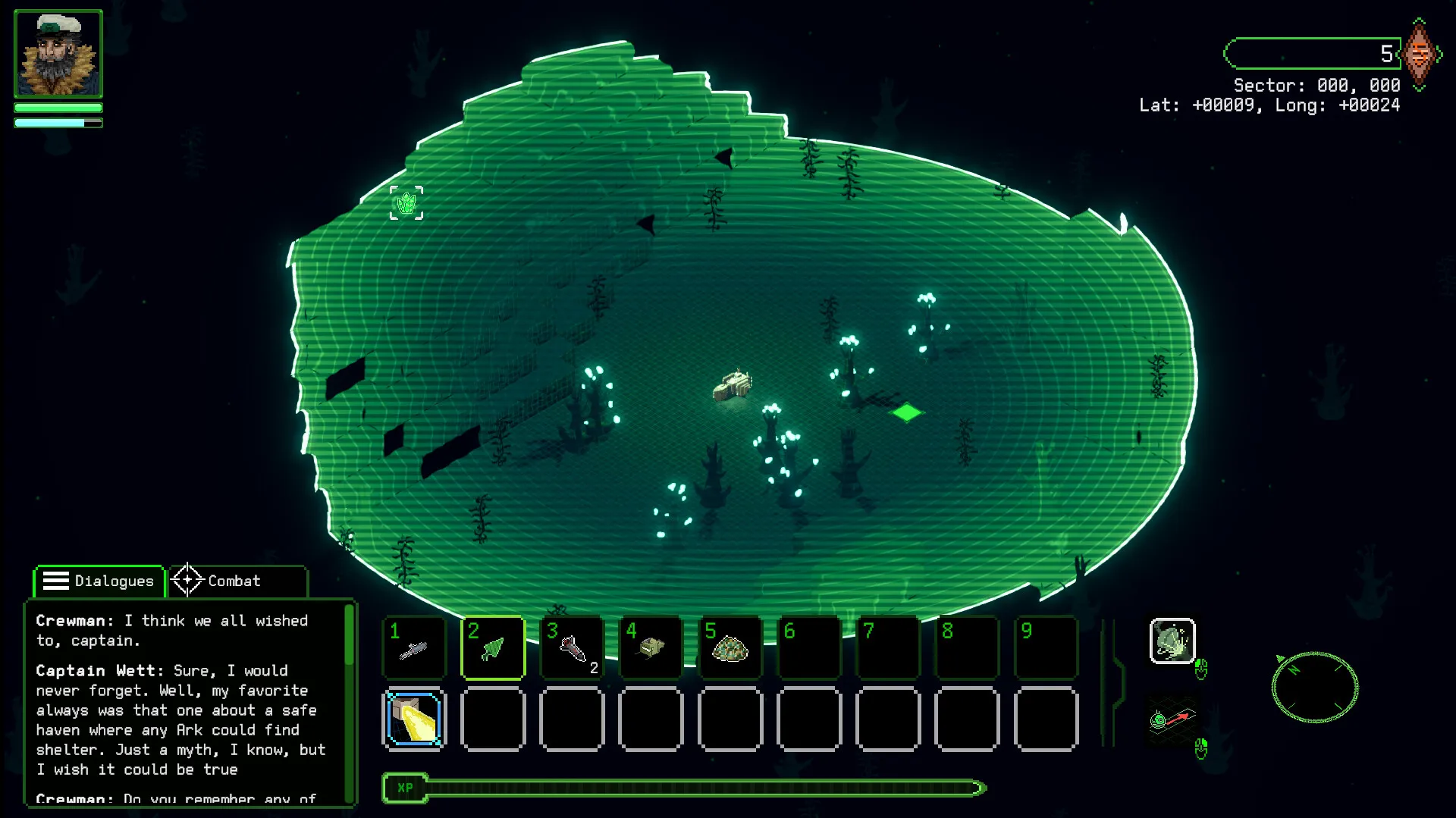
Rooted in tabletop RPG traditions and, therefore, carrying strong CRPG influences, A Tale of Silent Depths is a science fiction game that immerses players in a 3D post-apocalyptic underwater setting. The player takes on the role of the captain of an ark: a massive mobile underwater base that serves as home, fortress, and humanity’s last refuge. The ocean is procedurally generated, with shifting routes, forgotten ruins, wreckage, hostile creatures, and rival factions competing for scarce resources.
As in every RPG, decisions are never neutral. The player has freedom of choice and must face the consequences of each decision, within a combat system that operates in turns. In addition, exploration (another key element inherited from tabletop games) is what drives the narrative forward and builds suspense. In this sense, thoroughly investigating the ocean depths may uncover rare technologies or awaken irreversible threats.
Negotiation during the underwater narrative becomes a means of caution and survival at sea, and later, a way to withstand attacks that may endanger powerful allies. Everything takes place within a living ecosystem supported by artificial intelligence that avoids predictable patterns.
Sea of Intrigue
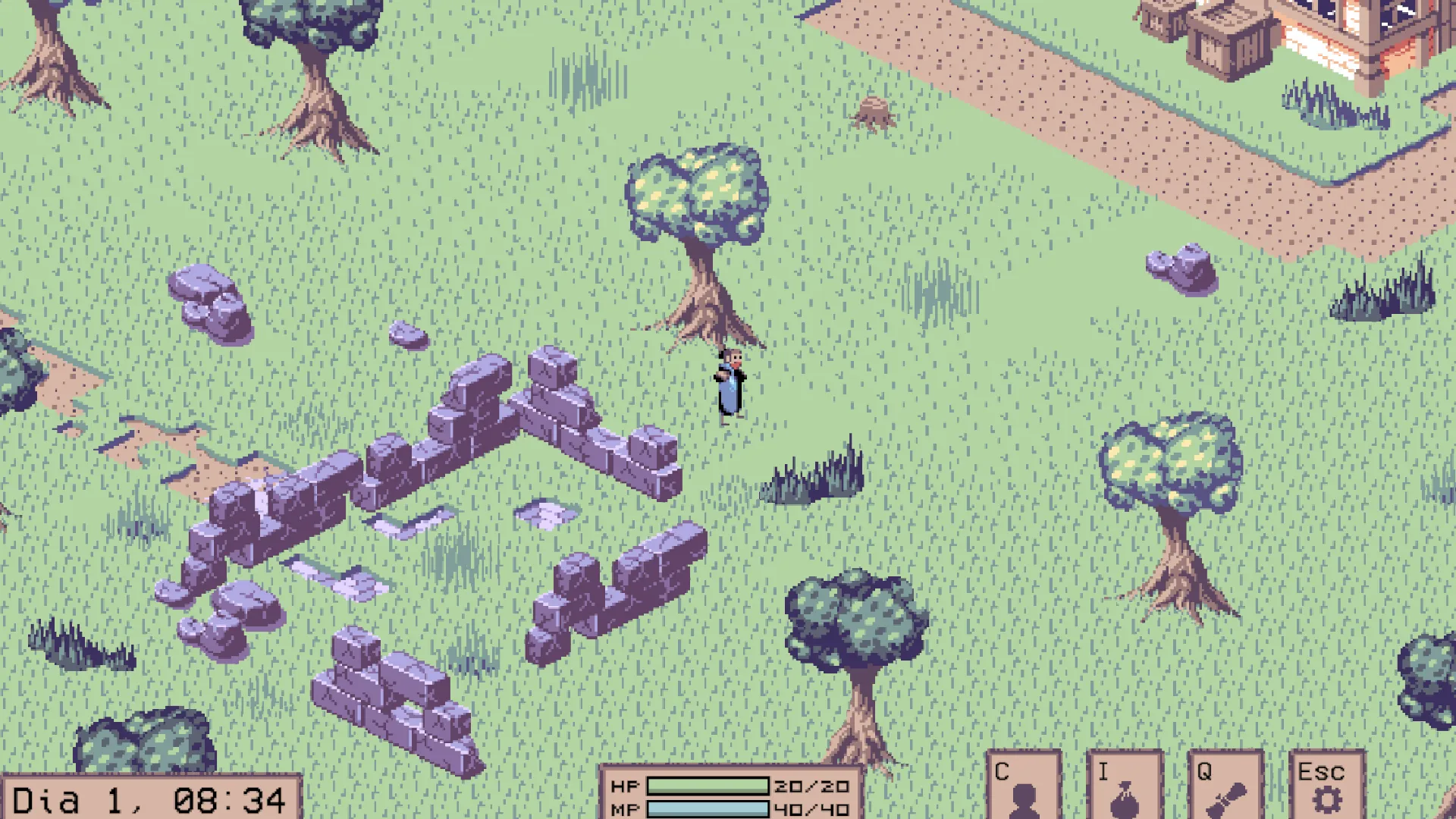
Also grounded in tabletop RPG traditions, the tactical Sea of Intrigue is centered on a fantasy narrative focused on exploration and turn-based combat. The story takes place in the village of Lylem, where a lost traveler arrives without knowing the town. Their most valuable artifact has been stolen, and their only tools are intelligence and strategy as they try to save Lylem from an approaching pirate invasion within seven days. From the outset, the game raises a key question, what kind of hero does the player want the adventurer to be: solitary or part of a group?
Surrounded by suspense, Sea of Intrigue gives players the freedom to choose which paths to follow and, as a result, shape different endings. However, these are choices whose consequences are always implicit. Being under the pressure of a ticking clock in a place you know nothing about demands great skill and careful exploration of every option. In this way, the game carries the DNA of tabletop RPGs by relying heavily on the player’s powers of observation and their ability to act at the right moment.
Each character in Sea of Intrigue has their own peculiarities and may provide valuable clues to the main adventurer, or, on the other hand, their information may turn out to be a trap, allowing the pirates to invade the village.
The Legend of Zelda
A landmark of Action RPGs, The Legend of Zelda focuses on the progression of abilities and features real-time combat. It offers world exploration in which the player discovers secrets, completes side quests, and overcomes themed dungeons to obtain new abilities and equipment that unlock new areas.
Final Fantasy games
Focused on turn-based combat, these classic Japanese RPGs (JRPGs) feature battles that unfold in rounds. Character level is a key criterion for progression through the adventure. Combat is turn-based, with pauses for action selection, and players choose commands during battle.
The importance of RPGs and CRPGs
Before CRPGs could exist, computers had to go through a technological evolution that made it possible to develop graphical techniques for games, accompanied by soundtracks and visually complex environments that immerse the player in the essence of RPGs. Their narratives represent a form of artistic entertainment that begins with character creation and extends through the story itself.
CRPGs were the means of transforming stories once played out on tabletops into visual experiences, moving them from the theater of the mind to the screen and turning them into something concrete. RPGs, continued through CRPGs, have become a powerful social force that encourages cooperation, clear communication, and teamwork.
This transition can be seen in Crit42’s games. Through emergent narrative, storytelling mechanics, and world discovery driven by replayability, we bring players games that aim to be both challenging and meaningful forms of entertainment. RPGs engage reasoning throughout a turn-based adventure and therefore offer benefits to those who play them.
In addition to cognitive skills that can be developed through games, such as improved memory, attention, logical reasoning, and decision-making, another aspect that can be strengthened is empathy.
Join us on Discord to share feedback, take part in early testing, and help shape future content. Follow us on social media to stay up to date with behind-the-scenes updates, concept art reveals, and future announcements. Dive into this roguelike adventure and help us shape it.
- crpg
- rpg
- gamehistory
- gamedev